Understanding the Shift: Why People Are Speaking Fewer Words Daily – If ancient humans could see us today, they would be very confused. The species that built language now communicates with just a ‘K’ or a thumbs up or even a fire emoji. We built civilizations through communication. Now, conversations often end with a ‘seen’ at 9:42 p.m. Funny, isn’t it? But this is also concerning. The world is not using its words as much. We may be talking less. We’re not the ones saying it. A new study suggests exactly that.
The 28% Drop in Human Speech
It is by researchers from the University of Missouri, Kansas City, and University of Arizona. They looked at how much people speak daily. In fact, they analyzed 22 students, more than 2,000 participants aged between 10 and 94, and their findings are striking.
In 2005, a person spoke over 16,000 words a day on average. But by 2019, that number had fallen to around just 12,000 words. That’s a drop of 28% or nearly 4,700 fewer words every day. Over a year, that can add up to about 120,000 less spoken words per person. Simply put, that could mean thousands of conversations that never took place.
Why Are We Talking Less?
So why is this happening? There are at least three big reasons for this:
- Reason number one, daily life now requires fewer conversations: You can order food on an app, book a taxi, also on an app, pay at a self-checkout, track a delivery without calling anyone. So tasks that once needed speech now just need taps.
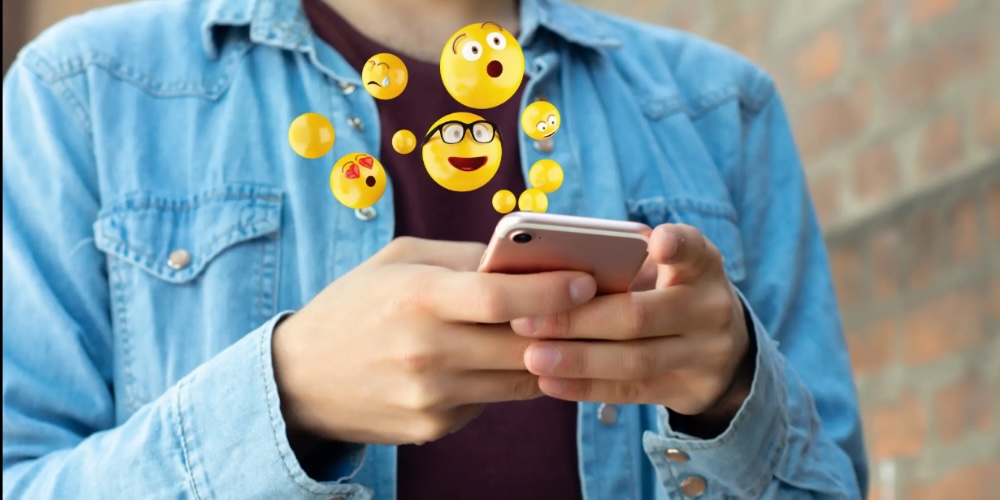
- Reason number two, texting has replaced talking: A quick message is faster than a call and a reaction emoji is easier than a full response. So, convenience is winning.
- Reason number three, modern life has become more individualistic: Many people nowadays live alone. Many work remotely and many spend more hours with their screens. Even commute can happen with just your emotional support headphones. That means fewer casual exchanges with others.
A Generational and Global Shift
In fact, researchers have also found another trend. They’ve seen a steeper drop among younger people. People under 25 lost more daily spoken words than older groups. That may not be surprising. They have grown up with texts, group chats, snaps, streaks, and the ability to end a conversation by simply disappearing.
But it was not only the young, older adults were talking less too, which suggests that this may be a bigger shift than just a generational shift. It also reflects how daily life has changed for everyone.
The Lost Art of Small Talk and Nuance
But why does this matter? Because talking does more than just share information. It carries tone, timing, pause, humor, empathy, and human nuance. Text messages often struggle to carry all of that. That is why a simple “fine” often sounds like anything but fine.
Then there is something else we often undervalue. Small talk. Many people dismiss it as pointless, but it often serves a purpose:
- A quick chat with the shopkeeper.
- That quick weather analysis with a neighbor.
- The short exchange with a security guard.
- And the “hello, how have you been” conversation in the lift.
These moments may seem ordinary, but they matter more than we think. They help people feel noticed. They create a small sense of connection. They can ease feelings of isolation. And they make public spaces feel more human.
The Family Dimension
There is also family dimension. Children learn language by listening. They pick up words, rhythm and expression through daily conversations. So if adults speak less around them, that may affect vocabulary development over time.
The Takeaway: Finding the Balance
So what is the takeaway here? It is not that technology is the problem. Technology has made life easier. It saves time. It offers convenience. And it helps people stay connected across distances. But this research does raise a fair question. As we communicate faster, are we also losing some of the depth that comes with real conversations?
That does not mean people must reject apps or texting. It may simply mean making room for both. Send the text when it is practical. Make the call when it matters. Use the app when it helps. Speak when the moment allows. Keep the emoji if you like. But do not forget the value of human voice. Because for all the shortcuts, nothing quite lands like a full human conversation.