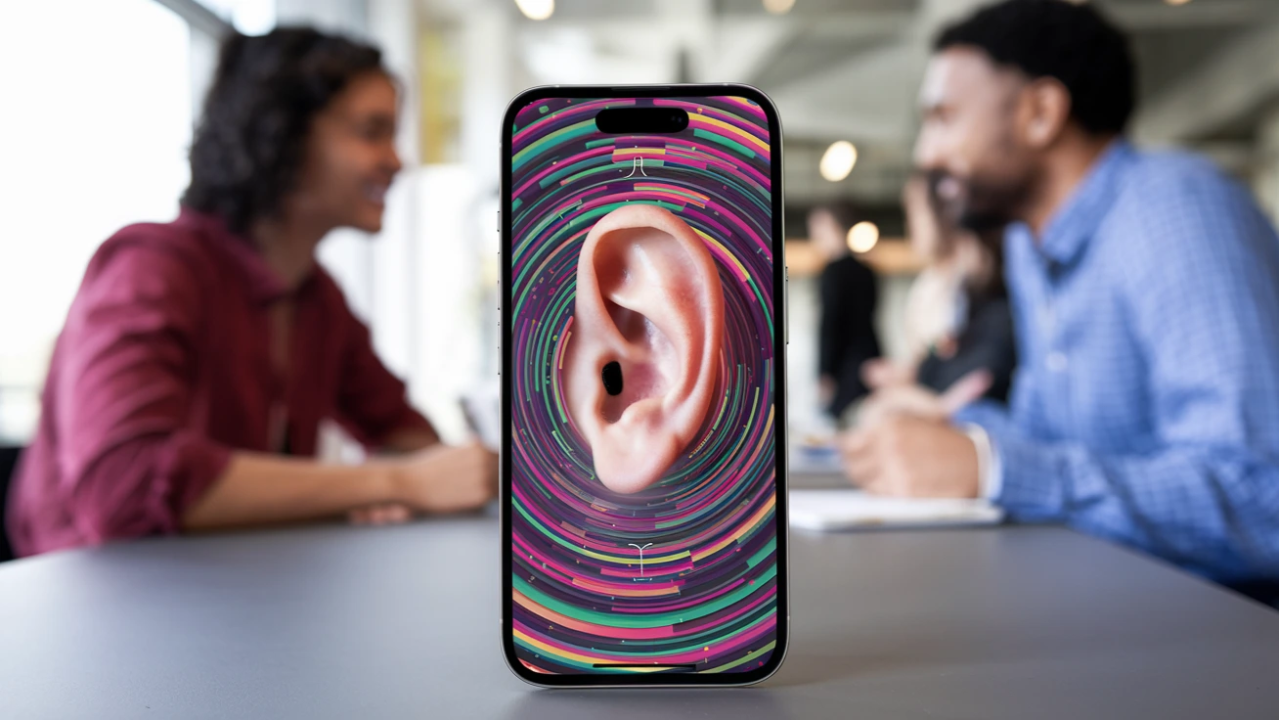
Have you ever discussed a specific product with a friend, only to see an ad for that exact item on your phone minutes later? Most people call it a “coincidence” or “digital telepathy.” But in 2026, a leaked pitch deck from a major marketing firm has confirmed what we all feared: Active Listening AI is real.
The Leak: How Advertisers “Hear” You
The scandal broke when a marketing partner for major tech giants accidentally leaked a presentation titled “Active Listening.” The deck revealed how AI software can now analyze ambient conversations through your smartphone’s microphone. By identifying “intent keywords”—like “buy a new car” or “vacation in Hawaii”—the AI tags your profile for immediate, high-value ad targeting.
Is it Legal? The Fine Print Trick
You might wonder how this is allowed. The answer lies in the “Terms and Conditions” we blindly accept. When you download a free app and give it microphone access for “voice commands” or “video calls,” you often unknowingly grant permission for background data collection. The AI doesn’t record your whole conversation; it only listens for specific “triggers” that indicate a desire to spend money.
The Impact on Privacy and Battery
Beyond the creepy privacy invasion, Active Listening has a physical cost. Constant AI processing of ambient sound drains your battery significantly faster and consumes background data. Tech experts are now warning that “free” apps are charging you with your most private data: your spoken words.
How to Block the AI Eavesdroppers
You don’t have to throw your phone away. You can fight back by auditing your “Microphone Permissions” in your settings. Many apps, including basic games and calculators, have no business access to your mic. Turning off these permissions and using privacy-focused browsers can cut off the AI’s “ears” and stop the surveillance in its tracks.