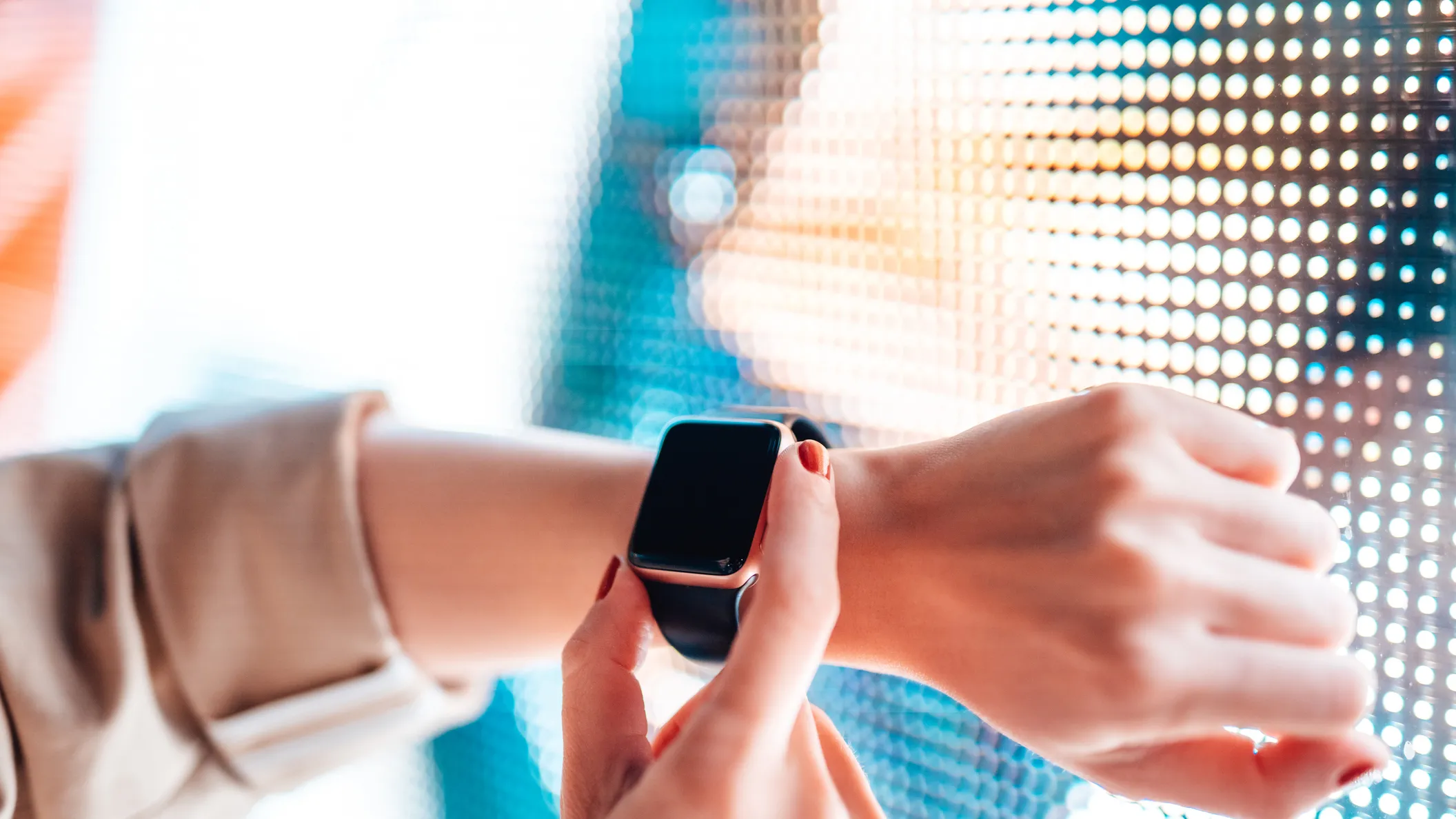
Wearable Tech Anxiety: The Psychological Cost of Constant Health Tracking: If you have jogged in parks or joined a gym, you may have noticed this. People come, they stretch, but the real workout often does not start until they start looking down at their wrists. Do you know why? Because a run is not a run. An exercise is not an exercise until your smartwatch or your smart ring or your fitness band starts tracking it by the second.
It’s almost an obsession for people who use these gadgets, and their numbers are growing. So today we have a question: Is that band on your hand helping you, or is it making you more anxious?
The $84 Billion Obsession
First, look at how big the trend is. This is a global wearable tech industry that has expanded in the last decade. It includes smartwatches, fitness bands, smart rings, AR glasses, and health monitors. In 2026, it was estimated at around $84 billion.
Smartwatches obviously dominate the market. They command around 50% of the market share. And what do people use them for?
- Health and fitness tracking: Real-time metrics for steps, tracking your heart rate, monitoring your sleep, or if you’re an athlete, looking at your stats.
- Convenience: Notifications, calls, or even music. It helps reduce your dependency on the phone.
The Rise of “Orthosomnia”
But sometimes it gets out of hand. People track their steps by the minute. If they don’t hit 10,000, they start panicking. Many track their sleep schedule to the dot. In fact, they start losing sleep over tracking their sleep timings. Talk about irony.
In fact, this is so prevalent that there’s even a word for it: Orthosomnia. That’s insomnia caused by worrying about a lack of sleep.
The “Worried Well” and the Anxiety Loop
Here’s the uncomfortable truth. Most smartwatches cannot tell you the precise details about your health—not your exact pace, not your exact calorie burn, not your exact stress levels, and not your exact sleep quality. And that is because these are consumer gadgets. They are not medical devices. Sometimes the GPS drifts, sometimes the strap shifts. What they offer is not accuracy. It’s a baseline, a personal graph of how you normally behave.
But the human brain does not operate on baselines. It operates on panic. And companies know this. Most wearables now come with gamification: streaks, badges, rewards, challenges. Some brands even let you redeem fitness points.
All of this creates what doctors call the “worried well.” It’s a term for people who feel healthy but still believe that something is wrong with them. And why do they believe this? Because of a statistic on their device. These wearables were meant to empower them. Instead, they became medical anxiety machines.
A typical cycle often unfolds like this:
- The watch shows a number.
- The number looks strange, and you worry.
- Your heart rate rises.
- The watch detects the rise and warns you again.
- Now you’re really worried.
It’s like a loop that you cannot escape until you take off that watch, which you often don’t.
The Lifesaving Bright Side
Now, to be fair, it’s not all dystopia and anxiety spirals. Wearables do save lives, too.
- People have received alerts for abnormal heart rhythms.
- Elderly parents have triggered fall detection.
- Runners stuck in remote areas have been rescued because of GPS.
And for many people, these devices spark positive changes. Some people start sleeping earlier. Many complete a basic number of steps every day.
Reclaiming Your Body
But as with all things in the internet age, more is not always better. Because here’s the thing: We wear these devices to take control of our body, our habits, our life. But when a device begins dictating those choices, that control shifts from you to the machine.
Many of us wake up and ask the watch, “How do we feel?” Maybe that’s the real question tonight. When did we outsource our own body to a gadget? When did we stop trusting how we feel and start trusting what a screen says about how we feel? Technology was supposed to calm us. It may be doing the opposite.
So the next time you go for that morning run or wake up after a night’s sleep or feel like your heart is racing, try this once before you check the watch or the ring: Check with yourself. Your body gives you signals long before your smartwatch starts buzzing. Listen to it.