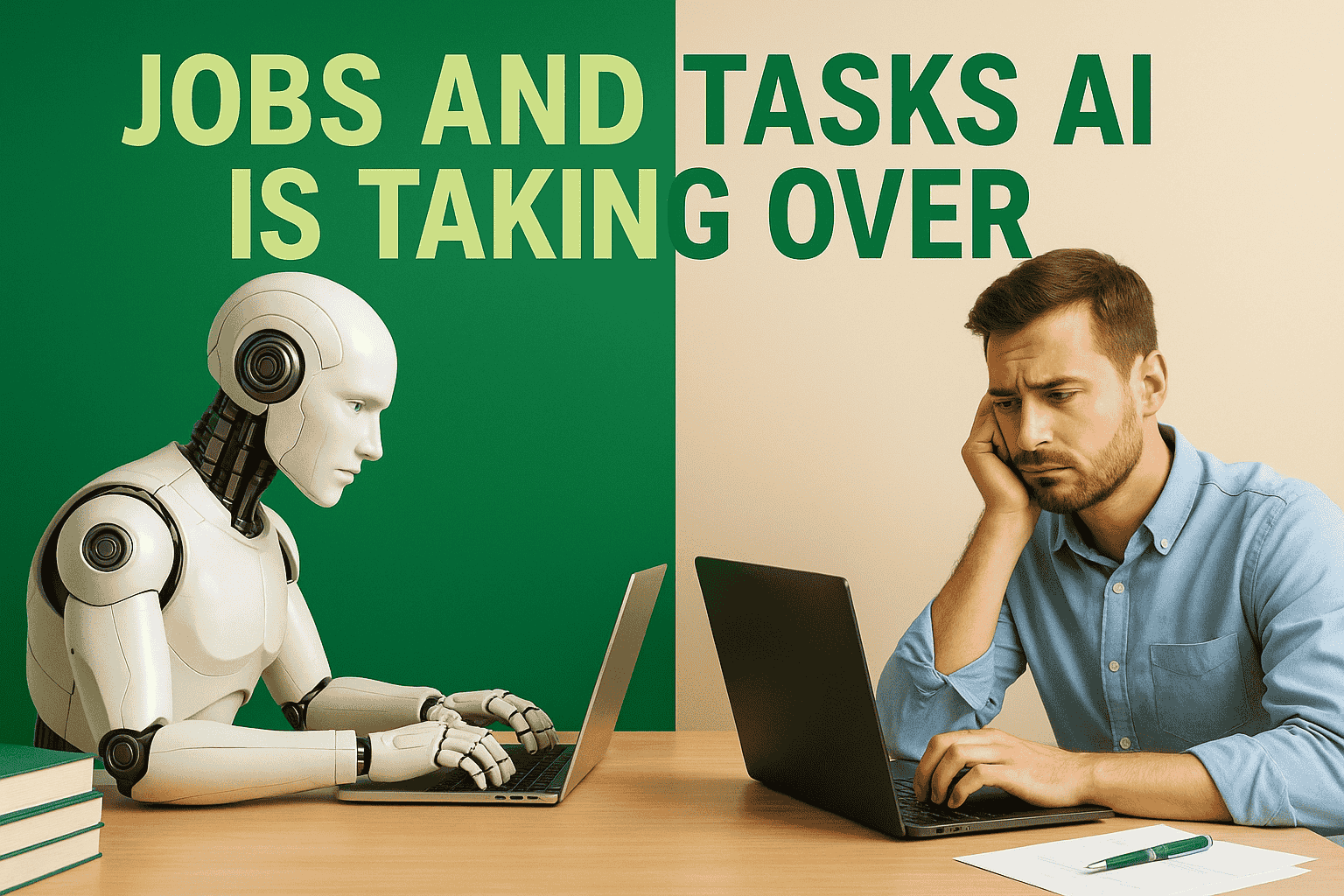
The Mid-Career Crisis: How AI is Forcing 40-Somethings Out of Tech: And it brings me no pleasure to say this, but layoffs are no longer just one-off big events. It appears to have become a constant worry. And this has been building for years now: 2022, 2023, 2024. You could wake up one morning and before you’re done brewing your first cup of coffee, an email tells you that your company is going to have to let you go. We all hoped it would stop, but it didn’t.
First, it was called a correction. Then it was called a realignment. And now it has been assigned a name all too familiar: The New Normal.
The Scale of the Layoffs
Every year the number gets bigger, and the reasons become harder to contend with. In 2025, nearly 240,000 tech workers lost their jobs. 2026 seems worse. Actually, we are in the fourth month, and reportedly, 90,000 people have already been impacted so far this year. And that’s just in the tech industry.
The companies that are going on these massive layoff drives are not struggling companies – (Tech Layoffs 2025 & 2026) Amazon (30,000), Intel (24,000), Meta (3,600-5,000), Microsoft (15,000), Oracle (30,000), these are some of the most powerful companies in the world. So, what gives?
While most of the recent layoffs are the result of artificial intelligence, the latest one, of course, was Oracle. Estimates say Indians were among the hardest hit, with 12,000 people losing their jobs.
The Human Cost Behind the Numbers
And social media did what it does best. It went into overdrive, and rightfully so. I’ve collated some posts for you. Let me write these out:
- “This was honestly a shock. Like many of us, I put in long hours and late nights.” Then came another emotional one.* A son posting about his father: “My dad has worked for Oracle for 20 years, worked for the same boss for 20 years. Not even a phone call.” * Another summed it up in two quiet lines and wrapped up with a request: “If anyone has leads, please reach out.” * Someone wrote about replaying the moment, hoping it wasn’t real.
Every post tells the same story. Different roles, varying years of service, but the same shock and the ensuing feeling of betrayal.
The Math of Getting Older in Corporate
It’s clear that your age and experience have a role to play, too. The math is different after 40, it seems. As per some reports, you become more expensive. You’ve seen CEOs come and go. You may push back during meetings. You have a team that reports to you, and a title that comes with privileges and, of course, money.
Here are some numbers for you. This is the average salary by age in the United States. It shows American earnings peak in the 45 to 54 age group, where employees earn an average hourly wage of $34.40. The annual wage is over $71,000. So, in corporate language, you are—I’m quoting—a “difficult but necessary decision.” But these are people that we’re talking about. These aren’t just numbers. These are parents with mortgages. People who have bills to pay, people who depend on them, people who may have loans with many years left on it, a car EMI that does not care that it’s December, a school fee due on the 5th, and a severance package that sounds generous until you start to do the math and then you realize you can live a comfortable life till the coming Sunday.
This is not a story about failure. You could do everything right and then on an unremarkable Tuesday morning, one email or a quick chat with HR could throw your life into disarray.
The Threat to Middle Management
And the worst thing: we’re supposed to believe that this is inevitable. Here’s what Jack Dorsey had to say. He is the CEO of Block and co-founder of Twitter. He says: “Middle managers have always existed for one reason. They move information through organizations that are too large for one person to oversee. Now, artificial intelligence can do that.” And who are these middle managers? They fall between the age group of 30 to 50. They manage people. They manage pressure. And most importantly, they manage expectations. They are the bridge. Jack Dorsey says companies may not need them anymore.
How to Adapt and Survive
So, what do you do? You adapt, learn how AI works, and try to stay ahead of the curve.
- Understand the tools, the platforms, the models, the workflows AI is reshaping.
- Build skills that travel across industries and across roles.
- Specialize in what AI cannot do yet: judgment, empathy, ethics—basically the ability to sit across from a human being and actually understand what they need.
And perhaps most importantly, never again let your entire identity live inside one company’s organization chart, because organization charts change overnight.
The question is not whether the landscape is changing. It already has. The question is, are you changing with it?